WaldenPay Explained: How This Crypto Virtual Card Works
By James Whitfield, Payments Specialist · Updated August 8, 2026
WaldenPay Explained: How This Crypto Virtual Card Works
Anyone typing "waldenpay" into a search bar right now probably wants one thing answered: does this card actually do what the homepage claims?
Fair question to ask. Most of what ranks for the term is either the official marketing site or thin listicles that just copy the fee sheet without explaining what actually happens between sending crypto and swiping a card at checkout. This guide tries to close that gap - covering deposit addresses, conversion timing, the way fees stack, and where the card makes sense (and where it doesn't) depending on who's using it.
For the full setup walkthrough and complete fee tables, the WaldenPay Crypto Card: How It Works, Fees & Setup (2026) pillar guide has more depth. This one sticks to the "how does WaldenPay work" question, plus who it's realistically a good fit for.

What WaldenPay Actually Is
WaldenPay is a crypto virtual card platform. Load it with cryptocurrency, that crypto turns into a card balance, and from there the card behaves like any other Visa- or Mastercard-network card - online, in an app, or in a store through a mobile wallet.
It's not a bank account. It won't hold crypto as a long-term investment, and it's not an exchange either. Think of it more as a bridge: crypto goes in one side, spendable balance comes out the other.
Cards can be issued in minutes, added to Apple Pay or Google Pay for tap-to-pay, and used online with the standard card details - number, expiry, CVV - anywhere the network is accepted. That last part is really the whole point in practice: acceptance runs around 150M+ merchants worldwide, which is basically anywhere a regular debit or credit card already works.
How Does WaldenPay Work, Step by Step
The flow itself is simpler than most first-timers expect. The details around timing and network fees are where it's worth paying attention.
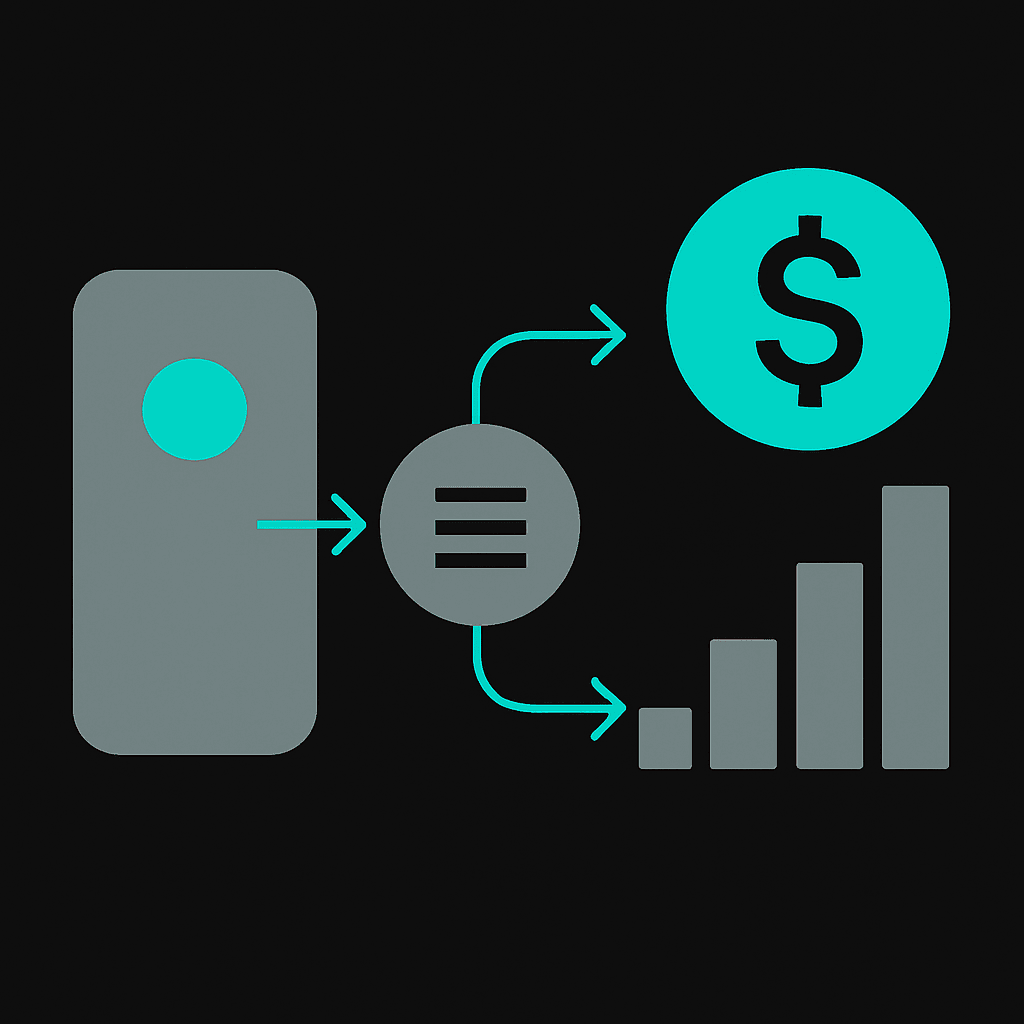
- Create an account and get a wallet. Every supported network - Bitcoin, Ethereum, Tron, Solana, and dozens more - gets its own deposit address inside the account wallet. That matters because sending, say, USDT on the wrong network to the wrong address is one of the most common and expensive mistakes in crypto generally, not just on card platforms.
- Send crypto to the matching deposit address. USDT (TRC20) is usually the cheapest and fastest route since Tron fees are minimal, but USDC, BTC, ETH, LTC, SOL and 130+ other assets across 35+ networks all work too.
- Funds convert to card balance at loading time. This is the bit a lot of competitor pages leave out. Conversion happens when the deposit lands and clears - not later, when the user decides to spend. So once it's loaded, the card balance is fixed in fiat terms; crypto price swings after that point don't touch what's already on the card.
- Spend the card balance. Online checkout, in-store via Apple Pay or Google Pay, or just using the card number wherever the network is accepted.
- Manage everything through the WaldenPay Telegram bot. Order a new card, top up an existing one, check balances, or get transaction alerts without logging into a separate dashboard every time.
That's really the whole loop. Deposit, convert, spend, repeat.
WaldenPay Fees, Broken Down Honestly
Fees are usually where "waldenpay review" content gets lazy - the numbers get listed with no explanation of what stacks on top of what.
There's a standard 5% top-up fee every time the card is loaded, no matter which cryptocurrency is used. There's also a one-time card issue fee when the card is first created. After that, no monthly maintenance fee - registration, balance checks, and support don't cost anything extra.
What's easy to miss is that the blockchain itself charges its own transaction fee before the crypto ever reaches WaldenPay's deposit address. Send BTC or ETH during a busy network period and that can add a few dollars in gas or miner fees - which has nothing to do with WaldenPay's pricing, it's just how the underlying chain works. That's a big reason USDT on TRC20 is popular with frequent users: Tron fees tend to stay low, so the real total cost lands close to just the standard 5% top-up.
| Fee type | When it applies | Notes |
|---|---|---|
| Card issue fee | One-time, at card creation | Paid once per card |
| Top-up fee | Every time crypto is loaded | standard 5% regardless of asset |
| Network fee | Every deposit transaction | Set by the blockchain, not WaldenPay |
| Monthly maintenance | Never | No recurring fee for holding the card |
For freelancers and merchants making frequent smaller loads, that no-monthly-fee setup tends to matter more over time than the one-time issue cost. A crypto card without a monthly fee changes the math quite a bit for someone loading it weekly instead of once a quarter.
Privacy-Focused Is Not the Same as Anonymous
This is where a lot of marketing copy gets vague, so it's worth just saying it plainly.
WaldenPay is built around privacy - it keeps crypto-funded spending separate from a person's main bank account, and it doesn't demand the same financial-history depth that a traditional bank card application usually asks for. That's a genuinely useful feature for anyone who'd rather not tie every purchase back to one banking relationship.
Privacy-focused means reduced exposure of personal financial data to third parties. It does not mean untraceable, and it does not exempt anyone from applicable law.
Card use is still subject to AML (anti-money laundering) checks and relevant regulatory requirements, same as any card product in this space. "Privacy-focused" shouldn't be read as "anonymous" or "risk-free." WaldenPay's own guide on no-KYC crypto cards puts it well: the appeal here is less surveillance and data collection compared to traditional banking, not a way around the law. Anyone using the card should keep that distinction in mind - wanting financial privacy is a legitimate goal, dodging obligations is a completely different thing, and it's not what this product is built for.
Is WaldenPay Legit? What the Actual Signals Say
"Is WaldenPay legit" is one of the most-searched questions tied to this brand, and it deserves a real answer instead of a flat yes or no.
What can be verified: cards issue quickly (often cited around a few minutes), a wide range of cryptocurrencies and networks are supported, Apple Pay and Google Pay both work, and independent Trustpilot reviews mention smooth crypto-to-fiat conversion and faster activation than other virtual card products reviewers had tried elsewhere. One reviewer specifically pointed out that it helped keep personal banking separate from everyday online purchases.
What no platform in this category can honestly promise: guaranteed uptime on every network, zero blockchain congestion fees, or immunity from regulatory scrutiny. Anyone weighing a crypto virtual card - WaldenPay or otherwise - should check the current fee schedule, supported assets, and terms directly before loading any meaningful amount, since these details shift as crypto infrastructure changes.
Who Actually Fits This Product
Instead of the usual "great for everyone" pitch, it's more useful to match the card against actual use cases.
- Freelancers paid in crypto. Clients paying in USDT or USDC often leave freelancers sitting on crypto with no straightforward way to cover rent or groceries. A crypto virtual card fixes that last-mile problem without routing everything through a bank that might flag or delay crypto-linked deposits.
- Digital nomads. Working across borders makes banking relationships complicated fast. A card that loads from crypto and spends like a normal Visa/Mastercard product anywhere in the world cuts out a lot of that friction.
- E-commerce sellers. Sellers sitting on crypto revenue (from crypto-accepting stores or marketplaces) can turn that into spendable balance for inventory, software, or supplier payments without a full off-ramp to a bank account first.
- Entrepreneurs funding ad accounts. Ad platforms sometimes flag or reject cards tied to volatile business banking. A separate virtual card, funded independently from a primary business account, adds a layer of separation. For ad-specific setups, check the guides on media buying crypto cards for ad accounts and funding Google Ads with a crypto card.
- Privacy-conscious spenders. Anyone who'd rather not have every discretionary purchase sitting on one bank statement can use a crypto-funded card as a separate spending layer - within the AML and regulatory limits already mentioned above.
Who probably doesn't need this: someone converting crypto to fiat once or twice a year. The standard 5% top-up fee plus the issue fee are a lot easier to justify against regular, recurring use than one occasional load.
Managing the Card Through Telegram
One thing that sets WaldenPay apart from a lot of competitors is the Telegram bot. Rather than a web dashboard being the only option, users can order a card, top it up, check the balance, and get transaction alerts straight inside Telegram.
For anyone already managing crypto through Telegram-based tools or communities, this skips a login step every time a balance check or top-up is needed. It won't replace a full dashboard for people who want detailed statements, but for quick checks and reloads, it's fast.
FAQ
How does WaldenPay work in simple terms?
Crypto gets sent to a unique deposit address tied to a specific network, it converts to card balance once it clears, and the card spends that balance anywhere the card network is accepted - online, in-app, or via Apple Pay/Google Pay.
What are WaldenPay's fees?
A standard 5% top-up fee applies each time crypto is loaded, plus a one-time card issue fee when the card is first created. There's no monthly maintenance fee. Blockchain network fees apply separately and are set by the network, not by WaldenPay.
Is WaldenPay anonymous?
No. WaldenPay is privacy-focused, meaning it limits how much personal financial data gets attached to everyday spending, but it's not anonymous or untraceable. Use is subject to AML and applicable regulatory requirements, same as other card products.
Can WaldenPay be added to Apple Pay?
Yes. WaldenPay supports both Apple Pay and Google Pay, so the card can be used for tap-to-pay in stores as well as standard online checkout with the card details.
Which cryptocurrencies can load a WaldenPay card?
WaldenPay supports 135+ cryptocurrencies across 35+ networks, including USDT, USDC, BTC, ETH, SOL, TRX, and LTC. USDT on TRC20 is a common choice since Tron network fees tend to run low.
Ready to see how it fits your setup?
Check current supported networks, fees, and setup steps before loading your first balance.
Get your WaldenPay card