Crypto Borrowing vs Prepaid: What a $500M Target Really Means
By James Whitfield, Payments Specialist · Updated October 8, 2026

Crypto Borrowing vs Prepaid: What a $500M Target Really Means
Before treating $500 million as spendable credit, card shoppers need to separate a lending target from an individual borrowing offer. The Fintech Times reports that ether.fi is targeting $500 million in lending capacity through an Aave and Optimism tie-up. For crypto borrowing vs prepaid, the immediate distinction is whether purchases create a repayment obligation or draw from money already loaded.
Broader product-selection questions belong in the best crypto card guide. Here, the important issue is what sits behind the spending balance: collateral-backed debt or prepaid funds.
What the $500 million target actually establishes
The headline describes an objective, not a personal credit offer.
For readers checking availability as of July 2026, a capacity target alone isn't proof of access on that date. It doesn't establish how much capital has been deployed, which US residents qualify, or whether a particular cardholder can draw credit. Those answers require current product terms and an actual account-level offer.
The distinction between lending capacity vs available credit matters even after a service launches. A platform-wide figure isn't an amount allocated to each applicant. The same reading discipline applies to geographic announcements, explored in the card access target analysis.
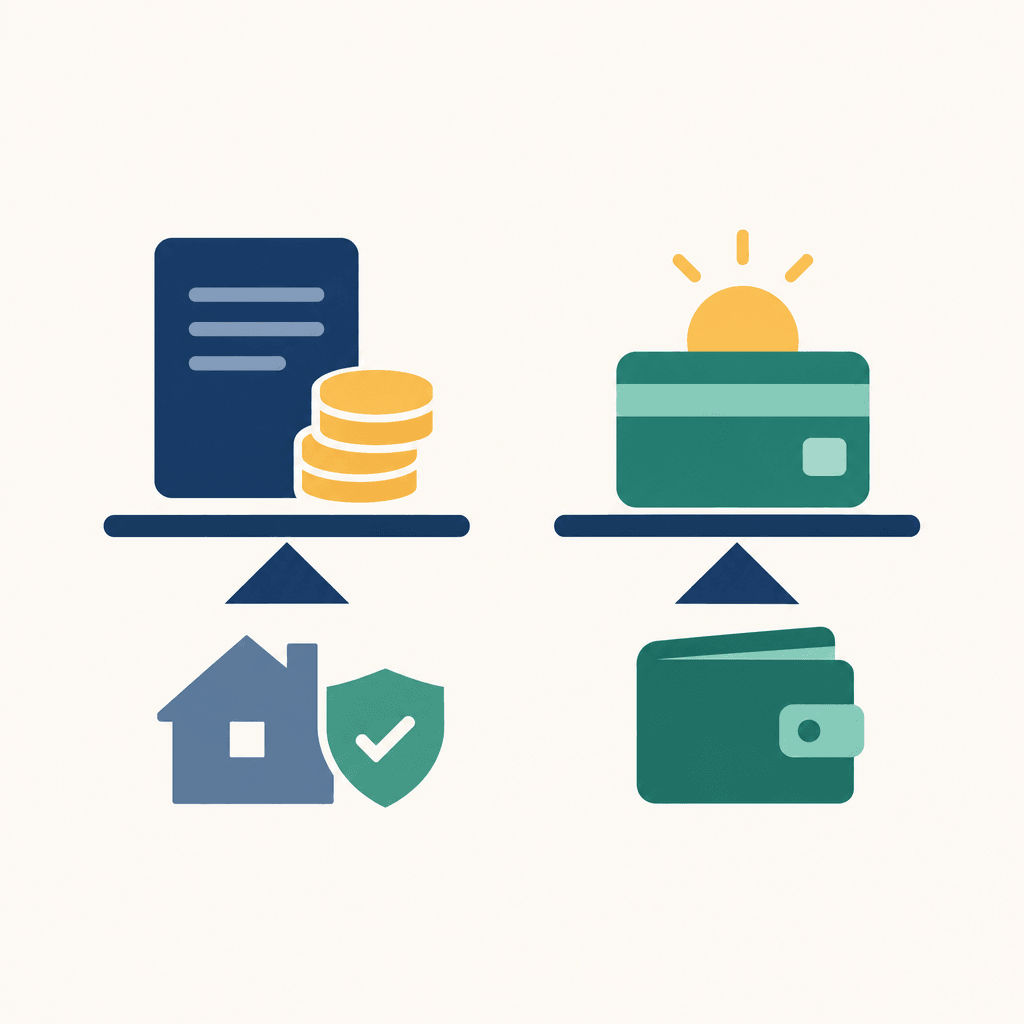
crypto borrowing vs prepaid: what funds the purchase?
The practical test for crypto borrowing vs prepaid is whether the spending funds must later be repaid. General borrowing mechanics shouldn't be treated as verified terms of the reported arrangement.
| Decision point | Crypto-backed borrowing, generally | Funded prepaid spending |
|---|---|---|
| Funding source | Credit secured by pledged cryptocurrency | Funds loaded before spending |
| Debt and repayment | A draw creates debt under the loan terms | Purchases reduce the available balance |
| Collateral exposure | Pledged assets may face liquidation | The prepaid purchase itself creates no collateralized loan |
| Costs to verify | Interest, origination, repayment, and liquidation charges | Published issuance, loading, and maintenance charges |
Borrowing against crypto for purchases can provide liquidity without an immediate sale of the pledged assets. But ownership exposure remains, alongside a debt obligation. A funded card follows a different sequence: assets fund the balance before purchases occur. The crypto prepaid card guide explains that loading process in more detail.
Which collateral and repayment terms matter before borrowing?
The essential terms are the initial borrowing limit, collateral valuation method, liquidation threshold, repayment schedule, and lender's rights over pledged assets.
Collateral requirements for crypto borrowing aren't interchangeable across products. A borrower needs to know which assets qualify, how their value is measured, and whether additional collateral can be supplied before liquidation. A falling collateral value can increase the loan's risk even when no additional purchases occur.
Crypto loan liquidation risk also depends on monitoring and execution rules. Relevant questions include whether warnings are provided, whether liquidation can be partial, and which charges apply. Custody arrangements deserve separate scrutiny.
And repayment needs a source: future income, existing cash, or another permitted funding method. Keeping cryptocurrency doesn't eliminate the obligation to repay borrowed funds.
WaldenPay's prepaid distinction: conversion happens at loading
WaldenPay's crypto virtual card illustrates the funded side of crypto borrowing vs prepaid. It supports funding with 135+ cryptocurrencies across 35+ networks; cryptocurrency converts to card balance at loading time. Spending then reduces that balance rather than drawing a crypto-backed loan.
Published card costs are a $10 one-time issuance fee, a $25 minimum top-up, and no monthly maintenance fee. Top-up fees start at 5% and decrease automatically to as low as 3%, based on rolling 30-day card spend. The 3% tier begins at $100,000 in qualifying spend, so it isn't the default rate.
WaldenPay is privacy-focused, not anonymous or untraceable. Standard signup requires an email without identity documents, but use remains subject to AML and regulatory requirements. Its prepaid status doesn't override merchant rules, and acceptance isn't guaranteed.
FAQ
Does crypto borrowing vs prepaid change what happens after a purchase?
Yes. Borrowed spending leaves debt to settle under the loan agreement; prepaid spending leaves a reduced funded balance.
Does the $500 million target establish a cardholder's credit limit?
No. A target doesn't establish an individual's eligibility, approved limit, or immediately drawable credit.
Can crypto collateral be sold while a loan remains outstanding?
Depending on the agreement, pledged assets may be liquidated when required collateral thresholds are breached. The contract controls the triggers.
Does a prepaid card guarantee merchant approval?
No. Merchants may restrict prepaid cards, and individual transactions remain subject to authorization and applicable rules.
Before choosing: verify the actual obligation
- US eligibility and current product availability.
- Approved credit and the amount actually available to draw.
- Collateral thresholds, custody terms, and liquidation triggers.
- Repayment deadlines and the intended repayment source.
- Published costs and the applicable prepaid loading tier.
- Merchant prepaid-card restrictions and authorization requirements.
A funded balance instead of borrowing
The next time a capacity headline prompts a crypto borrowing vs prepaid decision, the shopper should check live eligibility, actual credit, collateral triggers, repayment obligations, published costs, and merchant rules before committing funds.
Get started with WaldenPayRelated
- Stripe Stablecoin Cards: Does 100+ Countries Mean Access?
- Crypto Prepaid Card 2026: How They Work & How to Choose
- Crypto Card with Multiple BINs: What It Means in 2026
- Apple Pay India: What the Launch Report Means for Travelers
- Prepaid Crypto Card
- Base Card: Fund a Prepaid Visa with ETH & USDC on Base L2