Visa's $25B Stablecoin Settlement Claim: What Does It Mean?
By James Whitfield, Payments Specialist · Updated October 29, 2026

Visa's $25B Stablecoin Settlement Claim: What Does It Mean?
The headline "Visa Reports $25 Billion in Annualized Stablecoin Settlement - Crypto Cards Are Booming" doesn't, by itself, demonstrate growth in consumer crypto card spending. Even if confirmed, an annualized settlement figure measures a projected pace of settlement activity, not necessarily completed card purchases. The $25 billion claim remains unverified until a dated primary announcement confirms its amount, measurement period, calculation, and transaction scope.
For readers choosing a spending product, how to choose a crypto card covers the broader decision. This headline needs a narrower test: whether the reported metric actually measures consumer behavior.
Testing "Visa Reports $25 Billion in Annualized Stablecoin Settlement - Crypto Cards Are Booming"
Verification must come before the figure becomes a reported fact. A headline can combine a measurable claim with an interpretation that the underlying announcement doesn't support.
The Visa stablecoin settlement claim needs a dated primary source addressing these points:
- Amount: Does the announcement actually state $25 billion?
- Reporting period: Which observation dates produced that number?
- Annualization method: Was a recent daily, monthly, or other observed pace extended across a year?
- Transaction scope: Which settlement flows, participating entities, and program activities count?
Publication should wait until those details can be checked. A confirmed announcement should then be read for what it explicitly measures, with omissions identified separately rather than filled through inference.
And the announcement date isn't necessarily the Visa settlement reporting period. A release can describe activity measured earlier. Without both dates, readers can't reliably compare the figure with another announcement or judge how current the underlying activity is.
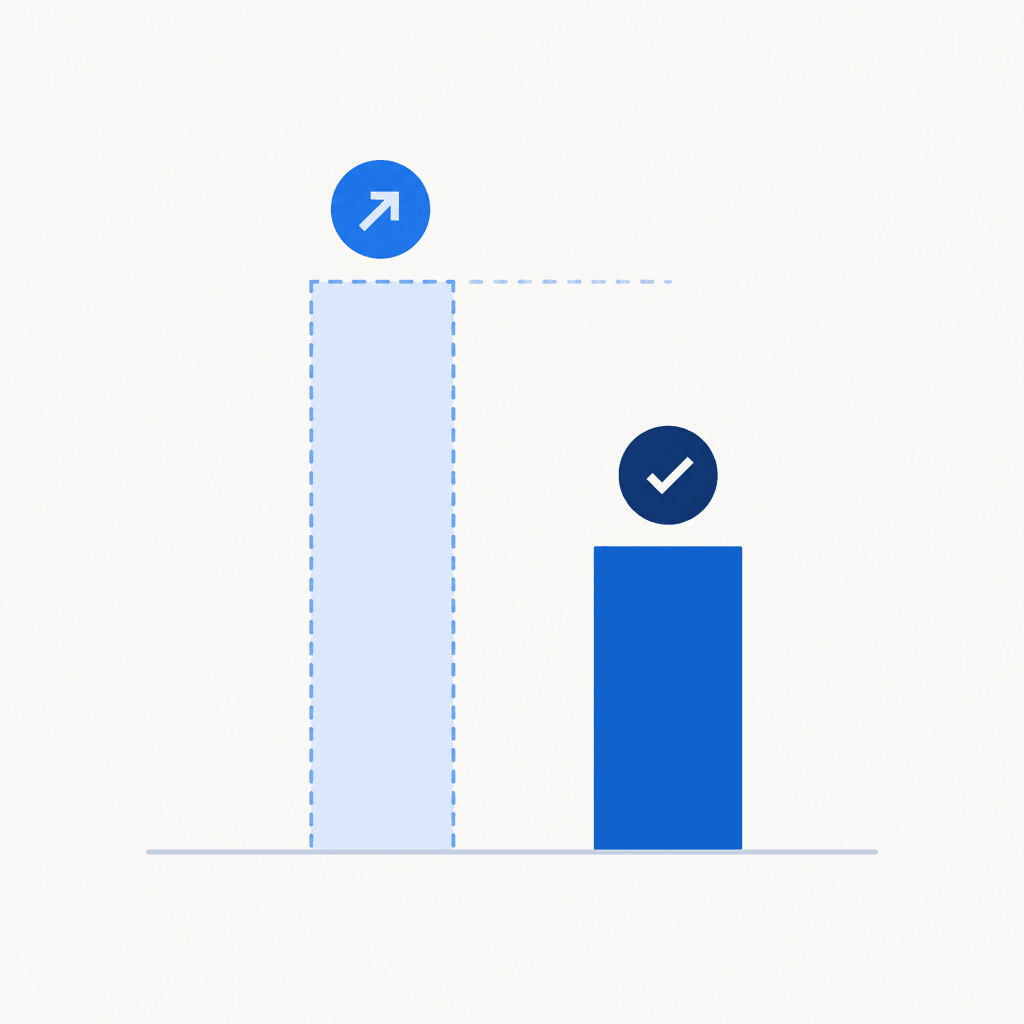
What annualization changes about the $25 billion claim
An annualized run rate extends an observed pace; it doesn't certify that a full year of activity occurred. The calculation takes volume over an observation period and scales it to a year, assuming that pace continues.
That assumption matters. A short observation window can reflect a temporary concentration of transactions, a program expansion, or unusually active participants. Those are possibilities to investigate, not established explanations for this headline.
Reading "Visa Reports $25 Billion in Annualized Stablecoin Settlement - Crypto Cards Are Booming" as completed annual spending therefore changes both the time measurement and potentially the activity being measured.
| Metric | What it can establish | What it doesn't establish alone |
|---|---|---|
| Annualized settlement | A yearly equivalent of an observed settlement pace | A completed year of transactions |
| Completed annual settlement | Settlement recorded over a full year | Consumer crypto card purchase volume |
| Card-purchase volume | Purchases within a defined card population | The number of active cardholders |
| Active cardholders | Usage under a stated activity definition | Total spending or merchant acceptance |
A stablecoin settlement run rate becomes useful growth evidence when comparisons use consistent periods, definitions, and coverage. Comparing a narrow earlier program with a broader later program may show expansion, but it doesn't isolate increased usage among existing participants.
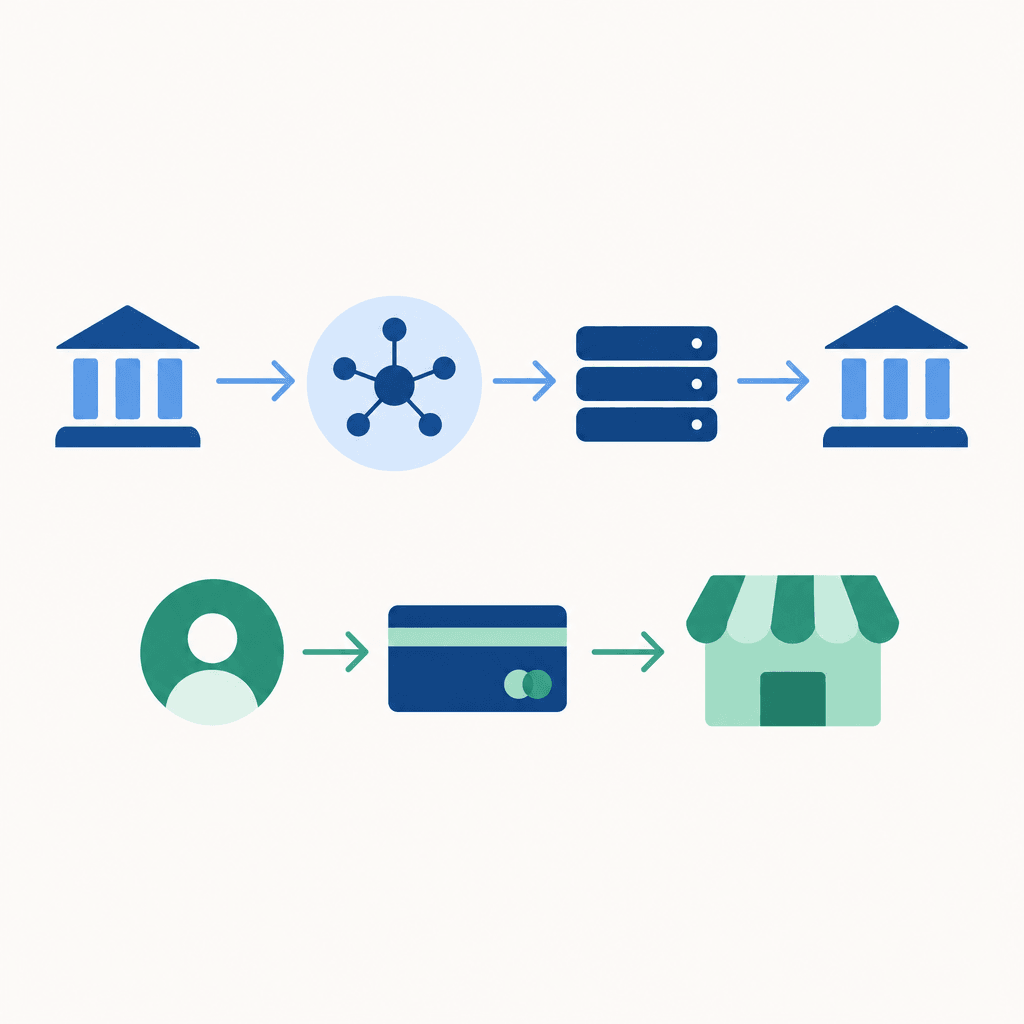
Does "Visa Reports $25 Billion in Annualized Stablecoin Settlement - Crypto Cards Are Booming" connect settlement to shoppers?
The missing connection is comparable consumer card activity. Settlement concerns the movement of funds to discharge payment obligations; purchases concern what cardholders buy. The headline alone doesn't establish which transactions the claimed settlement metric includes.
To support the consumer-growth conclusion, an announcement would need comparable card-purchase volume, active-cardholder counts, or purchase frequency for a clearly identified crypto-funded card population. Definitions should explain whether activity means a funded account, a purchase, or another event.
The distinction between settlement changes and card features helps separate backend payment arrangements from what a customer can fund or spend.
Merchant acceptance is another separate question. More settlement activity doesn't establish more accepting merchants, approval of a particular prepaid card, or eligibility for a US applicant. The same caution applies when interpreting country coverage versus card access.
For a concrete product distinction, WaldenPay's crypto virtual card is a crypto-funded virtual prepaid card that converts funding into card balance at loading time. That describes its funding model, not participation in the claimed Visa settlement program. It doesn't establish US availability or guaranteed acceptance. Use is subject to AML and regulatory requirements.
FAQ
Does "Visa Reports $25 Billion in Annualized Stablecoin Settlement - Crypto Cards Are Booming" prove adoption?
No. The amount first requires primary-source verification. Even a confirmed settlement run rate wouldn't establish consumer adoption without relevant card-usage measurements.
Can a run rate rise without more active cardholders?
Yes. Larger settlement amounts or additional institutional participants could raise volume without increasing consumer card usage. Neither explanation should be attributed to this claim without documentation.
Would a confirmed figure mean merchants receive stablecoins?
Not necessarily. The transaction scope would need to identify who sends and receives settlement funds. A network-level metric doesn't establish a merchant's payout method.
What would make a later growth comparison credible?
Matching observation periods, consistent transaction definitions, and disclosed changes in program coverage would make comparisons more meaningful. Consumer claims would still require consumer measures.
Evaluate the card separately
Next time "Visa Reports $25 Billion in Annualized Stablecoin Settlement - Crypto Cards Are Booming" appears, readers should check the dated announcement, annualization method, transaction scope, and comparable card-usage figures before treating it as evidence of consumer growth.
Get started with WaldenPay