BTCPay Server Security Update: Merchant Hot-Wallet Checks
By James Whitfield, Payments Specialist · Updated November 3, 2026
BTCPay Server Security Update: Merchant Hot-Wallet Checks
Before restarting a payment server, a merchant should verify the btcpay server security update guidance and review wallet activity separately. Cointelegraph reports an identified attack vector following Bitcoin wallet theft reports; News Bitcoin dates the emergency shutdown warning to November 1, 2026. That warning date shouldn't be mistaken for Cointelegraph's publication date, which requires confirmation before the article is treated as a fresh alert.
Collecting Bitcoin payments and spending crypto through a card are separate workflows, as the crypto card spending guide explains.
What the btcpay server security update reports establish
The reported version scope matters, but it doesn't establish that every installation was compromised.
BleepingComputer reported that maintainers identified an attack vector targeting instances running version 2.4.1 or earlier and strongly urged operators to update to version 2.4.7. For the historical baseline as of July 2026, that publisher dates version 2.4.1's release to July 23, 2026. The November warnings are later developments, not July guidance that operators should assume remains current.
There are important evidentiary limits. Analytics Insight reported that developers hadn't established the precise entry point and had received no credible reports of hot-wallet drains involving version 2.4.7 at the time of reporting. An identified attack vector and a fully reconstructed intrusion aren't necessarily the same finding.
BleepingComputer also quoted founder Nicolas Dorier saying the attacks didn't target public servers. That statement isn't an individual installation assessment. Neither server visibility nor the absence of a reported drain proves safety.
Verify the btcpay server security update against the installed deployment
A BTCPay Server version check should capture the running software, not merely the release an operator intended to install.
The btcpay server security update should be checked against current official maintainer guidance before a merchant changes server state. News coverage provides context, but an earlier shutdown instruction and a later update recommendation belong to different stages of the response.
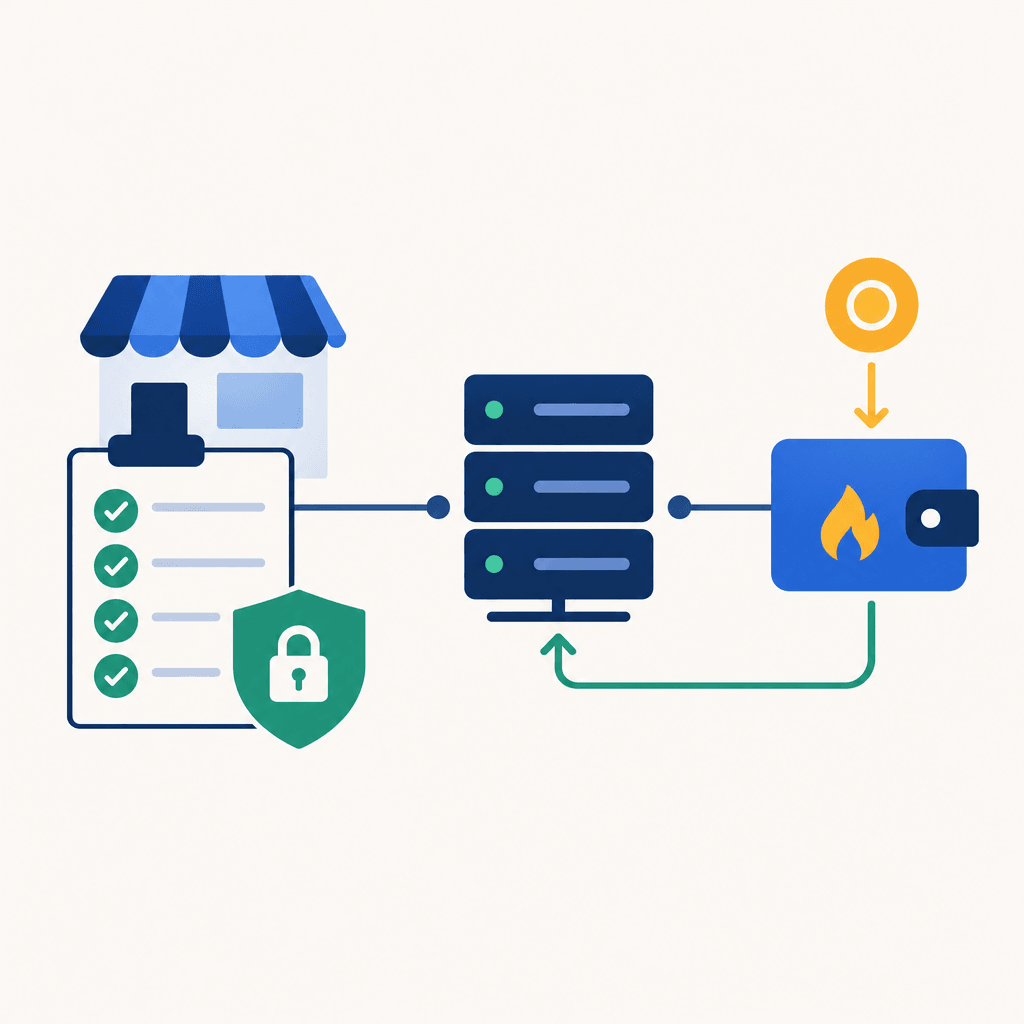
- Record the deployment. Save the displayed version, deployment method, hosting arrangement, and who controls administrative access.
- Check the advisory's timing. Compare publication and revision timestamps, affected-version statements, and any deployment-specific instructions.
- Resolve conflicting instructions. Bitbase reported that the initial advisory instructed operators to shut down using
./btcpay-down.sh. That historical command shouldn't be applied blindly to a different deployment or treated as the complete current response. - Verify the result. After an applicable update, confirm the running version and record any errors before resuming payment collection under current guidance.
A completed update command isn't the same as payment server update verification.
Review hot-wallet exposure independently of maintenance
Wallet signing capability determines what needs investigation beyond the server's software version.
For BTCPay Server hot wallet security, operators should identify whether the deployment can sign Bitcoin transactions, access Lightning node credentials, or only monitor payments. They should also record which connected wallets hold funds and which credentials the server can access. A monitoring-only configuration shouldn't be casually equated with a server holding spending authority.
Bitcoin Foundation described an earlier critical vulnerability in version 2.4.1 involving theft of Lightning node credentials and draining connected wallets. That report doesn't, by itself, prove the same mechanics explain every November incident.
In a hypothetical review, a merchant matches a $25 invoice with its expected receipt but also finds an unexplained outgoing transaction recorded as $10. The receipt supports payment reconciliation; it doesn't explain or authorize the outgoing transaction.
A software update closes a maintenance task; it doesn't settle whether wallet access was previously compromised.
A Bitcoin wallet activity review should compare outgoing transactions with authorized withdrawals, retain transaction identifiers and timestamps, and investigate unexpected destinations. Suspected unauthorized activity calls for incident-specific guidance, not repeated update attempts or assumptions that unchanged balances prove safety.
Keep unrelated payment services outside the incident claim
The reporting doesn't establish that unrelated payment services were affected.
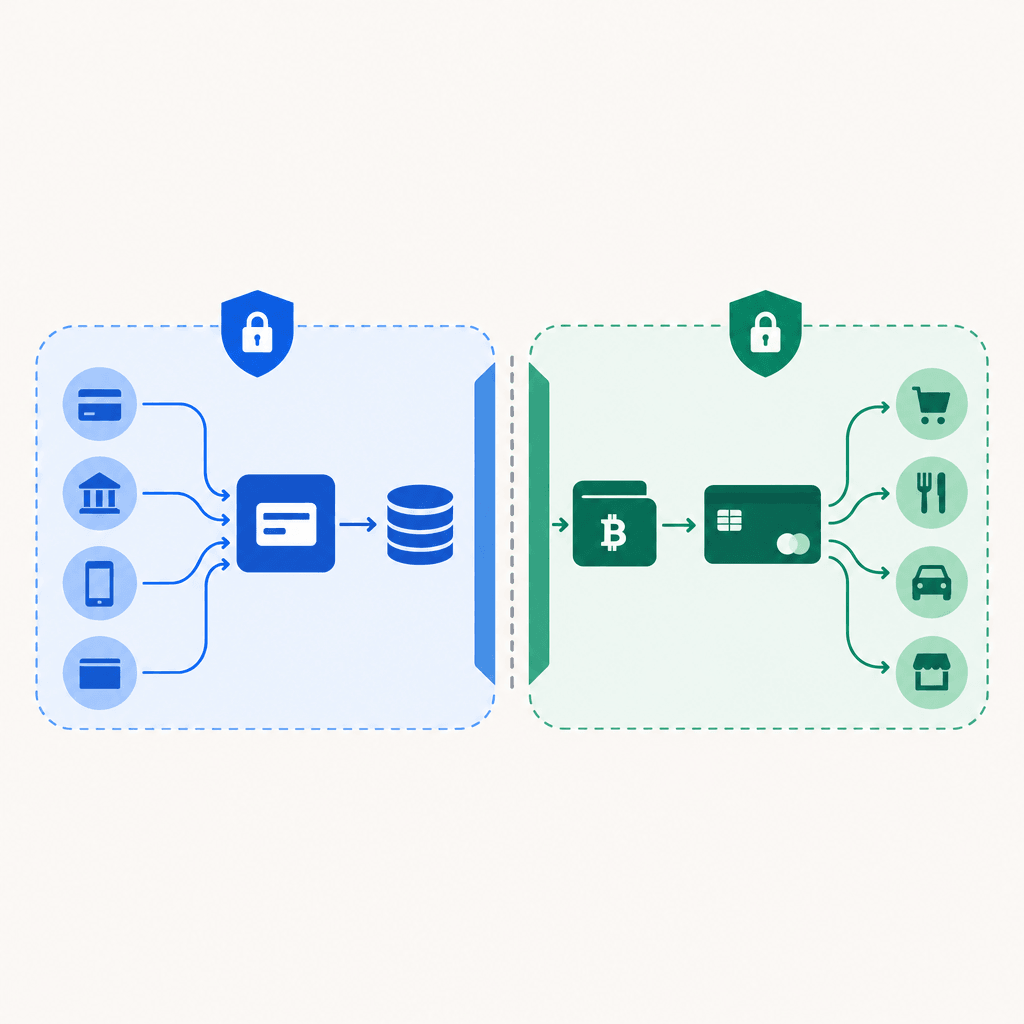
For example, WaldenPay's crypto virtual card serves a separate spending workflow; it isn't a remedy for a compromised BTCPay Server wallet. Card funding converts supported cryptocurrency into prepaid card balance, but that doesn't secure the wallet from which funds originated.
The payment security layers guide explains why card controls and funding security need separate attention. WaldenPay is privacy-focused, not anonymous or untraceable, and use remains subject to AML and regulatory requirements. Card acceptance isn't guaranteed.
FAQ
Does the btcpay server security update mean every merchant lost funds?
No. Reported targeting and confirmed theft are different findings. Each operator needs a deployment assessment and transaction review.
Is version 2.4.7 a permanent safety guarantee?
No. It was the reported update recommendation. Operators should verify whether current official guidance has superseded it.
Should a merchant restart immediately after updating?
Restart decisions should follow current maintainer instructions and the installation's incident findings, including any suspected credential exposure.
What records help investigate unexpected withdrawals?
The installed version, deployment method, relevant logs, transaction identifiers, timestamps, and authorized-withdrawal records provide a practical starting point.
Keep card spending separate
For the next btcpay server security update, operators should recheck advisory timestamps, the running version, wallet signing access, and outgoing activity before treating maintenance as complete.
Get started with WaldenPay