iPhone Crypto Seed Phrase Theft: What Ad Reports Don't Prove
By James Whitfield, Payments Specialist · Updated November 23, 2026
iPhone Crypto Seed Phrase Theft: What the Ad Report Doesn't Prove
Does iphone crypto seed phrase theft mean that merely seeing an ad compromises a wallet? No: coverage of Confiant's November 20, 2026 MoldyRoost report describes advertising attacks targeting recovery phrases, but an ad encounter alone doesn't establish wallet compromise.
Crypto.news reports targeting across more than 47 countries and more than 480 associated advertising domains. Those figures describe campaign reach and infrastructure, not confirmed victims or stolen funds.
For holders funding everyday purchases, the crypto Apple Pay spending guide explains the payment flow; the immediate concern here is whether a source wallet's recovery phrase became accessible.
What the iphone crypto seed phrase theft report actually says
Crypto Briefing dates Confiant's report to November 20, 2026. That is the research report's date, rather than a verified publication timestamp for the crypto.news article.
KuCoin's coverage says the campaign ran for roughly six months, using online advertisements to deliver iPhone exploits targeting wallet seed phrases. Crypto.news attributes the advertising-domain findings and geographic scope to Confiant.
But geographic targeting doesn't count successful infections. Nor does an associated domain establish that everyone who encountered its advertising disclosed a phrase.
The distinction matters because crypto wallet ad targeting describes attacker intent and delivery activity. Confirmed theft requires additional evidence, such as unauthorized asset movements tied to a compromised wallet.
What remains uncertain about iphone crypto seed phrase theft
The crypto.news summary doesn't establish the attack mechanism or demonstrate that merely encountering an advertisement compromises funds. Other publishers report technical claims that deserve attribution rather than treatment as proof about every reader's phone.
According to CoinDesk's coverage of Confiant, a single tap could infect a vulnerable iPhone without further user action. KuCoin describes an attacker-controlled landing page executing malicious code while loading, without a file download; Cointelegraph reports that the malware searches Apple Notes for recovery phrases.
Those accounts describe a possible route to iphone crypto seed phrase theft, not a diagnosis for every ad viewer.
DefiPrime also reports that the recovered repository was incomplete, including a missing SilkPath loader path. That limits reconstruction of the operation; it doesn't establish which individual devices were infected.
The separate iOS wallet security assessment explains the same essential distinction between a reported vulnerability and wallet-specific exposure.
How holders should respond to possible phrase exposure
A recovery phrase can recreate control of a self-custody wallet. Anyone obtaining it may be able to move assets without knowing the wallet app's password.
So changing that password doesn't invalidate an exposed phrase. Importing the old phrase into a different app also leaves the underlying wallet exposed.
| Situation | Appropriate response |
|---|---|
| An ad appeared, with no other warning signs | Avoid reopening it, record the encounter, and check for unfamiliar wallet activity. Exposure alone isn't proof of theft. |
| An attack page opened and a phrase was stored on the device | Treat disclosure as a serious possibility and assess the phrase's accessibility from a trusted device. |
| A phrase was entered into an untrusted page or otherwise disclosed | Create a new wallet with a fresh phrase and move remaining assets safely. |
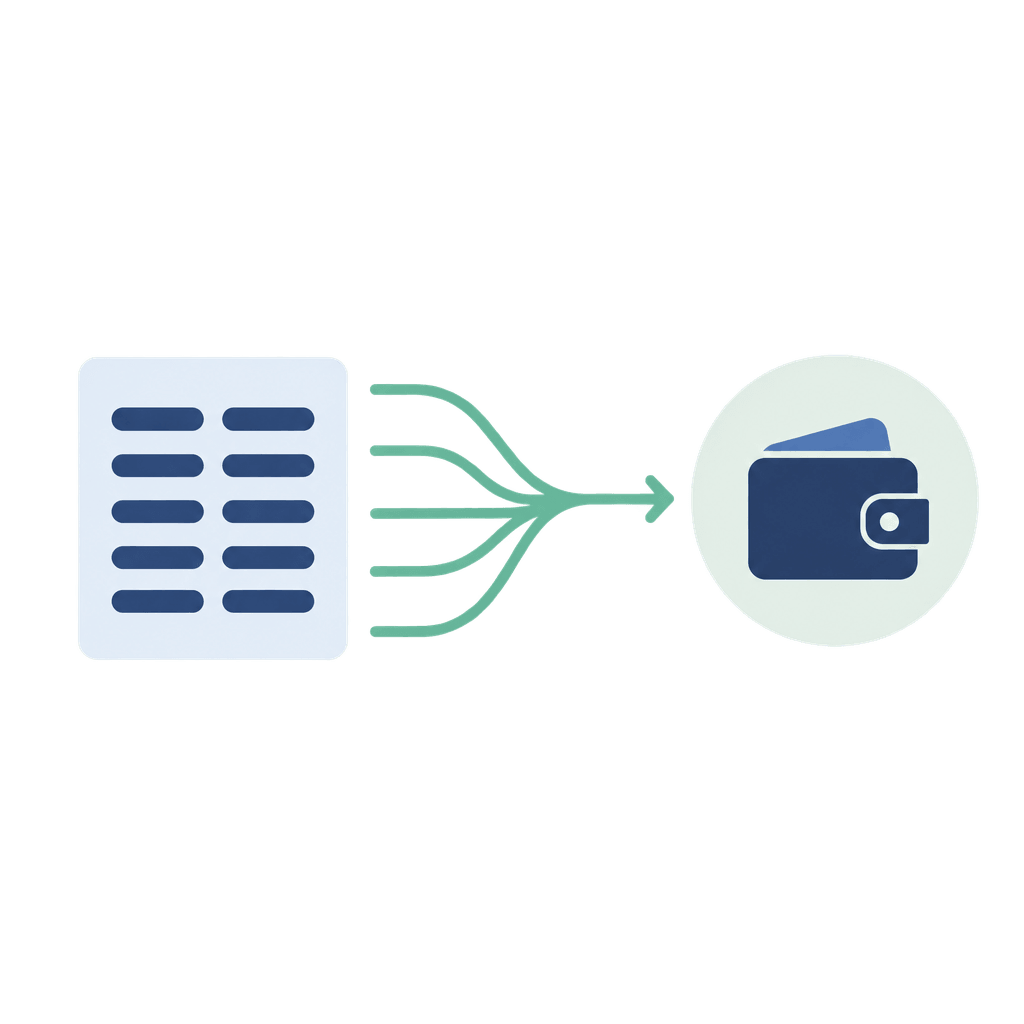
For a suspected seed phrase leak, the replacement wallet should be generated on a trusted device. Its receiving address should be verified there before assets move from the affected wallet; the old phrase must never be reused.
Remaining assets may still be at risk while migration is underway. Holders who need assistance should contact the wallet provider through independently verified channels, without sharing the phrase or granting remote access.
Prevention also means keeping wallet recovery phrase screenshots and phrase copies out of cloud-synced notes. Deleting an exposed copy doesn't revoke the phrase or undo access someone may already have gained.
Why prepaid spending doesn't repair a compromised wallet
In an iphone crypto seed phrase theft response, a prepaid card isn't a recovery tool. WaldenPay's crypto virtual card converts loaded cryptocurrency into prepaid card balance at loading time; it doesn't secure cryptocurrency left in the source wallet.
Nothing in the reporting establishes that WaldenPay was affected. Loading a card doesn't invalidate a leaked phrase, guarantee fund recovery, or replace migration to a newly generated wallet.
WaldenPay is privacy-focused, not anonymous or untraceable, and use remains subject to AML and regulatory requirements. Merchant acceptance isn't guaranteed.
FAQ
What would substantiate iphone crypto seed phrase theft for an individual holder?
Evidence of phrase access or disclosure supports a compromise assessment. Unauthorized outgoing transactions establish asset movement, but don't necessarily identify how access was obtained.
Does avoiding phrase entry rule out exposure?
No. The reported malware searched stored notes, so phishing forms aren't the only alleged route. An ad encounter alone still doesn't establish infection.
Does an unchanged balance mean the phrase is safe?
No. A disclosed phrase can remain usable before funds move. Suspected disclosure warrants action even without an immediate loss.
Should a recovery service receive the phrase?
No. Anyone requesting it could gain control of remaining assets. Claims of guaranteed recovery should be rejected.
Keep spending separate from recovery
At the next iphone crypto seed phrase theft alert, holders should check what interaction occurred, where the phrase was stored, and whether any unauthorized transfers followed before resuming routine spending.
Get started with WaldenPay