Phemex Card Eligibility: Are US Residents Included?
By James Whitfield, Payments Specialist · Updated October 3, 2026

Phemex Card Eligibility: Does the EEA Launch Include US Residents?
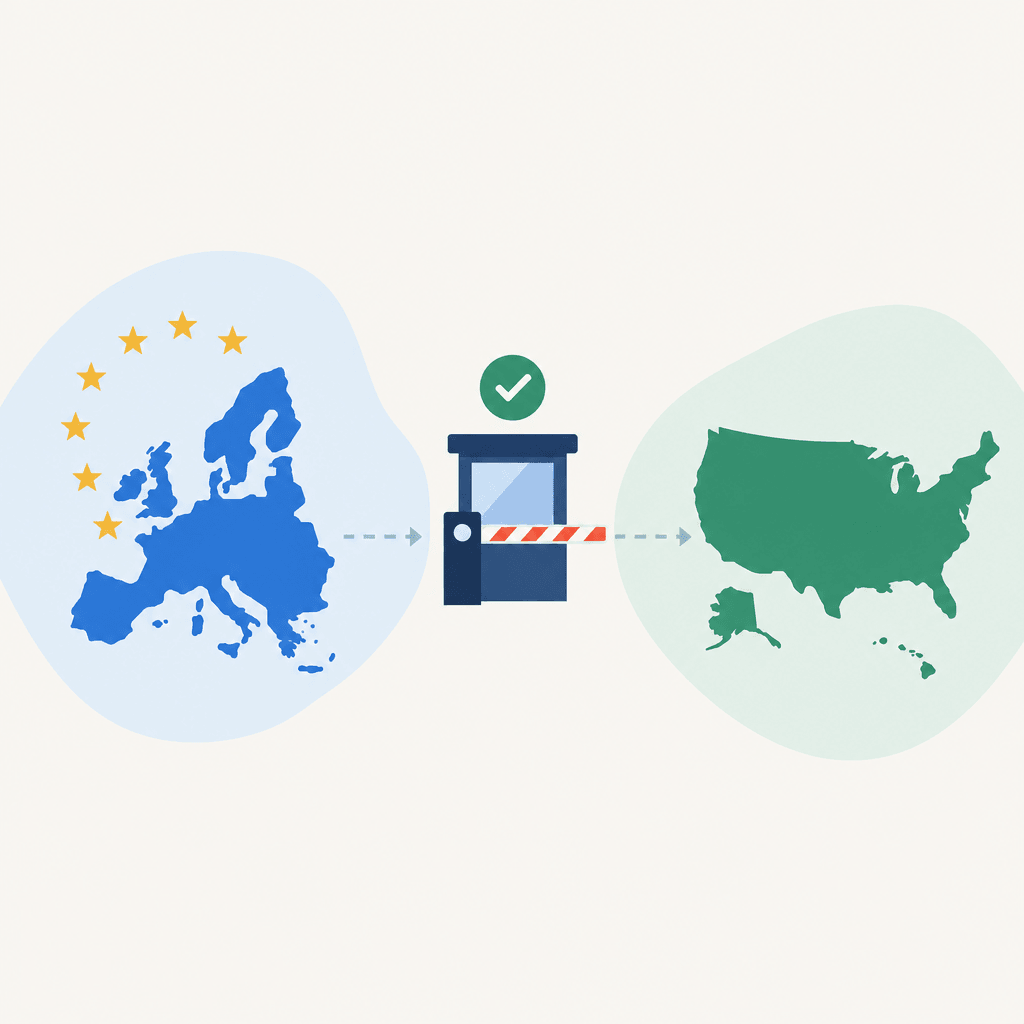
A hypothetical US-based freelancer considering a $25 card load encounters Traders Union's report of a Phemex virtual Mastercard debit card for EEA users with advertised unlimited USDT cashback. Before funding anything, that freelancer needs to check phemex card eligibility: the stated EEA availability doesn't include US residents.
A separate GlobeNewswire announcement dated September 28, 2026, reported the card's introduction for eligible users, subject to regional and product terms. That date shouldn't be treated as the publication date of the Traders Union launch report, whose headline alone isn't confirmation of application eligibility.
Eligibility comes before rewards. Readers comparing otherwise suitable products can use the crypto card selection guide for the wider decision framework.
What phemex card eligibility means for US residents
As of July 2026, Phemex's residency requirements are the first application gate. US residence doesn't fit the stated EU or EEA requirement, regardless of an applicant's interest in USDT rewards or access to cryptocurrency.
Residence and citizenship aren't interchangeable. A US citizen living abroad shouldn't infer eligibility from citizenship alone; the provider must confirm whether that person's actual residence and circumstances satisfy its current terms.
Traveling through an eligible country doesn't establish qualifying residence, either. Applicants should provide accurate information rather than treating a temporary location as an application route.
The distinction between geographic announcements and individual access also matters in the Reap card availability analysis. A launch territory is only the starting point for checking a specific applicant.
Which application and funding requirements need confirmation?
As of July 2026, Phemex's published age, residence, and wallet requirements establish baseline conditions. They shouldn't be mistaken for a complete identity-verification checklist or a promise of approval.
Checking phemex card eligibility should therefore happen before opening a funding transaction. Prospective applicants need current answers to these questions:
- Residence: Does the current application explicitly accept the applicant's country of residence?
- Verification: Which identity and residence documents, if any, does the card application request?
- Wallet: Is the required Phemex Wallet set up and eligible for the card product?
- Funding: Which assets and networks are accepted, and what minimums, charges, or balance restrictions apply?
- Exit conditions: What happens to deposited funds if an application isn't approved?
These are verification questions, not assertions about additional Phemex card application requirements. An exchange account, a wallet, and an approved card application shouldn't be treated as interchangeable permissions.

Why phemex card eligibility comes before cashback
The Traders Union headline advertises unlimited USDT cashback. Within the as-of-July-2026 eligibility framework, that reported feature doesn't change the residency gate, and the headline isn't a substitute for the reward agreement.
Before assigning any value to the offer, an eligible applicant should confirm whether the current Phemex card USDT cashback conditions specify:
- Qualifying purchases and excluded transaction categories.
- Reward tiers, promotional periods, or spending requirements.
- Any applicable caps and what "unlimited" specifically describes.
- Credit timing and treatment of refunds or reversed purchases.
Those conditions shouldn't be assumed to exist; each needs checking. And a reward calculation isn't useful until both eligibility and the costs of funding and spending are clear.
How the reported debit card compares with a prepaid product
As of July 2026, the reported Phemex product is described as a virtual Mastercard debit card. That description doesn't independently establish its complete funding mechanics, balance protections, or merchant acceptance.
For a bounded comparison, WaldenPay's crypto virtual card is a virtual prepaid product: cryptocurrency converts to card balance at loading time. That makes its loading costs relevant, but it doesn't make WaldenPay an automatically available US alternative.
| Decision point | What requires checking |
|---|---|
| Applicant eligibility | Current residence rules and application requirements, before funding. |
| Product classification | Reported debit versus prepaid status, plus the actual balance and funding terms. |
| Total loading cost | Issue charges, minimum funding, top-up charges, and ongoing maintenance. |
WaldenPay charges a $10 one-time issue fee, requires a $25 minimum top-up, and has no monthly maintenance fee. Top-up fees start at 5% and fall automatically to as low as 3%, based on rolling 30-day card spend; its published card pricing explains the tiers.
WaldenPay use remains subject to AML and regulatory requirements. Neither prepaid status nor card-network coverage guarantees merchant acceptance or application approval.
FAQ
Does phemex card eligibility extend to US residents?
As of July 2026, the stated EEA availability doesn't include US residents. The reported launch shouldn't be interpreted as US access.
Is being 18 enough to qualify?
No. As of July 2026, the cardholder terms also require EU or EEA residence and a Phemex Wallet, with approval subject to applicable requirements.
Does "unlimited" confirm a cashback rate?
No. That wording alone establishes neither a rate nor which purchases earn rewards; applicants need the current reward terms.
What should happen before funds are sent?
The applicant should confirm residence eligibility, requested verification, accepted funding methods, all applicable charges, and the treatment of funds following rejection.
Considering WaldenPay separately?
Checking phemex card eligibility comes first.
Get started with WaldenPayRelated
- Apple Pay India: What the Launch Report Means for Travelers
- Reap Visa Card Availability: Who Can Apply After Expansion?
- Do You Pay Tax When You Spend USDT on a Card? (2026)
- USDT Virtual Card: How to Get One and Spend It Anywhere (2026)
- Virtual Card With No ID Verification
- ChatGPT Plus Card Declined: Currency Not Supported (2026)